World Water Day, held annually on 22 March, highlights the vital role water plays in sustaining communities, ecosystems and economies.
The 2026 theme, “Water and Gender – Where water flows, equality grows,” draws attention to the importance of inclusive decision‑making in water management and the role women play in shaping more equitable, resilient water solutions.
At Umwelt, our Water Services team works across Australia to support sustainable water management, environmental protection and community outcomes. This World Water Day, we’re recognising the women in our water team whose expertise contributes to water solutions that work for people, place and environment.
Water, gender and better decision‑making
Access to safe, well‑managed water is fundamental to environmental health and social wellbeing. The World Water Day 2026 theme highlights that those involved in water decisions matter, and that diverse perspectives lead to more inclusive and effective outcomes.
In environmental consulting and water services, this means considering not just technical solutions, but how water systems interact with communities, ecosystems and future generations. At Umwelt, our water specialists bring this broader lens to projects ranging from water resource assessments and approvals to ecological protection and catchment management.
Voices from Umwelt’s Water Services team
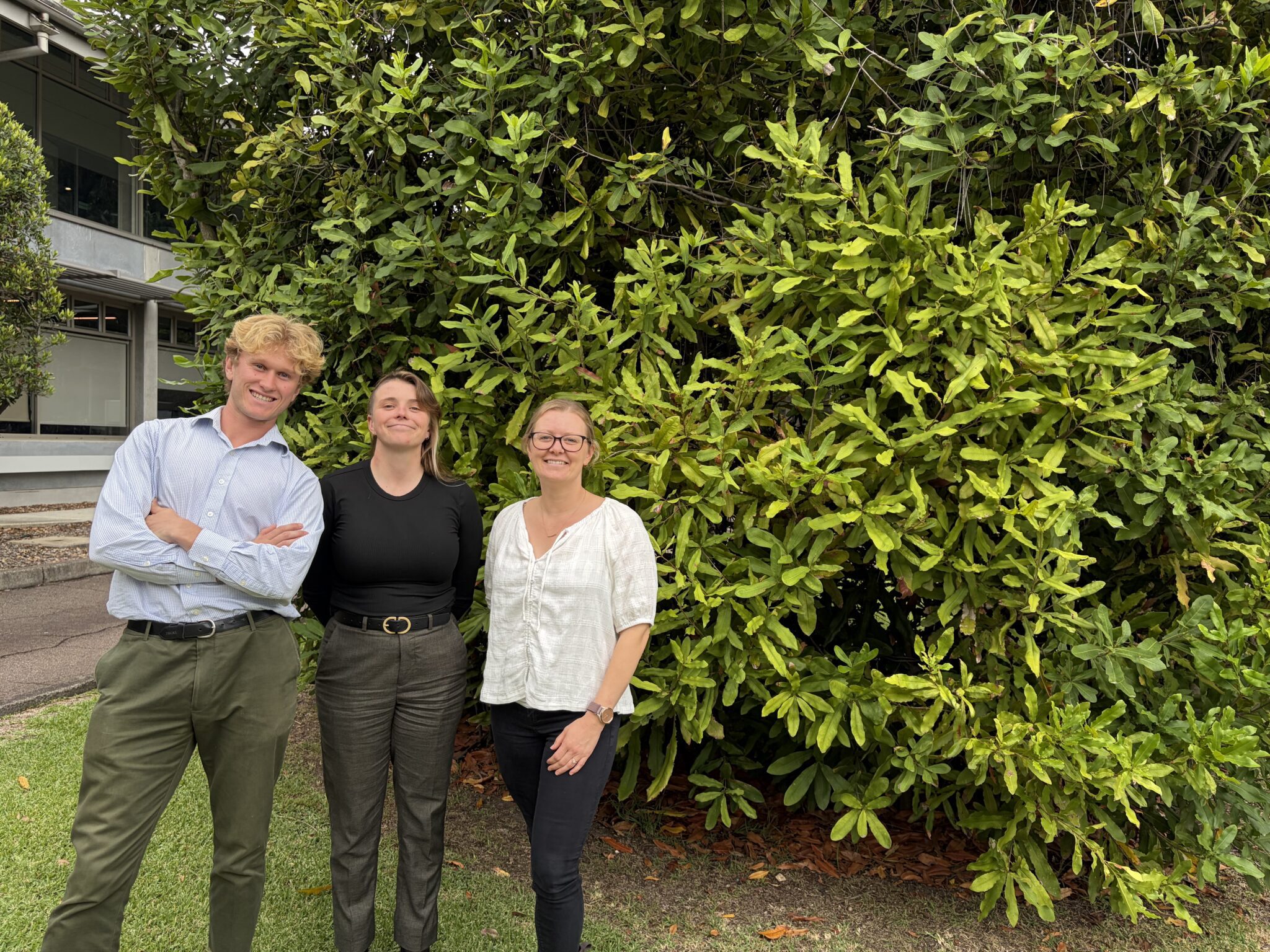
To mark World Water Day, we spoke with women from Umwelt’s Water Services team about their work, their impact, and why inclusive perspectives matter in the water sector.
How does your work in water contribute to better outcomes for communities or the environment?
My work supports all areas of industry to grow and operate in ways which recognise, assess and value impacts on the precious resource we call water. The worth of water is immense socially, culturally, environmentally and economically, and it underpins all forms of life on Earth.
My work analyses and predicts how activities may affect groundwater and surface water to identify risks early and design measures that prevent harm. This ensures we protect the integrity of aquifers, rivers, springs, and other water systems. A key part of this work is recognising the cultural significance of water, and the deep connections communities have with these ecosystems. By integrating cultural values alongside scientific assessment, we help safeguard the health of water systems and the communities that depend on them.
– Deni Hourihan (Senior Environmental Engineer)
Why is it important that diverse voices, including women, are involved in water decision‑making?
Involving diverse voices, including women, in water decision‑making leads to more effective, equitable, and sustainable outcomes because it brings together a broader range of lived experience, technical insight, and community knowledge essential for responsible water management. Water scarcity and mismanagement leave lasting impacts on people and communities, shaping how they understand and value this critical resource. Growing up in a rural agricultural region during the Millennium Drought left a lasting and profound impression on me, influencing the way I think about and approach water today in both a personal and professional setting. These kinds of personal experiences, from all members of the community, play an important role in building resilient water management systems that can adapt to an uncertain future.
– Emma Koeman (Principal Environmental Scientist / Hydrogeologist)
How does your work support sustainable water management?
As both a scientific researcher and industry consultant, my work has enabled me to contribute to the ongoing development of our understanding of groundwater dynamics. Spanning a diverse range of catchments from alpine snowmelt in the headwaters of the Snowy Mountains to aquifer recharge and ecosystem responses across varying downstream catchments. My job allows me to have the opportunity to use this knowledge to create more informed decisions and recommendations for the sustainable management of water on a local to regional scale.
From collecting water samples in the field, to analysis in the laboratory and collating the data; the knowledge and expertise I have gained through my work allow me to have the ability to turn a bottle of water into information informing practical strategies and management plans for the protection of groundwater.
Why does inclusion matter in the water sector?
Water is the foundation of life—a crucial resource for the environment and all Australians. Reliable, clean water influences communities’ health, supports livelihoods, and sustains ecosystems. On World Water Day, it is important to acknowledge the interconnectedness between water, gender, and the value of inclusive decision-making.
Inclusion in the study and management of water is vital to ensure that all perspectives and voices are represented. When individuals from different genders, cultures, and backgrounds participate in the water sector, it strengthens our understanding and respect for the diverse ways we connect with water. Diversity fosters more sustainable, equitable management and outcomes for everyone.
An inclusive water sector builds trust and supports those working within it. It ensures work within the industry to reflect the needs and realities of the communities that rely on the local water supplies. Empowering equality allows people to feel included and as though they have the right to a voice in the decision making and management of water—from scientists and industry consultants to those managing water directly on the ground.
By enabling women and diverse individuals to thrive, we improve water management and inspire the next generation of hydrologists and hydrogeologists. Representation matters—when young Australians see relatable role models and mentors in the water sector, it gives them confidence to help shape and secure our water future.
– Celine Anderson (Senior Hydrogeologist)
What change would you like to see in the water sector in the future?
As I am based in New Zealand, I see the future of the water sector here will see significant changes driven by the need for sustainable and efficient water services.
Changes for the future include multi-council ownership to ensure better service delivery and cost-effectiveness, use of technological advancements such as data analytics, and AI to improve water management and reduce waste, public-private collaboration to ensure water resilience and adaptability to climate change and other challenges, development of integrated water resources management approaches to maximize economic and social welfare while maintaining the sustainability of vital ecosystems, and the establishment of robust governance frameworks to ensure that water services providers deliver safe, sustainable, and efficient water services. These changes would contribute to a greener, equitable future by addressing the challenges of water scarcity, promoting water conservation, and ensuring equitable access to clean water for all.
– Kirsty Cooksey (Acting Hydrogeology Lead)
What change would you like to see in the water sector in the future?
I would like to see stronger investment in education as the foundation of the future water sector. This includes earlier exposure to water‑related careers, clearer and more flexible education pathways into the industry, and ongoing professional development that supports people at all career stages. I would also like to see education place greater emphasis on cultural heritage awareness, particularly understanding and respecting Aboriginal and Torres Strait Islander connections to water. Embedding cultural knowledge alongside technical training will lead to better decision‑making, stronger community outcomes, and a more inclusive and informed water sector.
– Mel Swan (Principal Environmental Engineer)
Where water flows, equality grows
The World Water Day 2026 theme reinforces that water is more than a resource, it is a foundation for healthy ecosystems, thriving communities and equitable outcomes. When diverse voices help shape water management, the results are more inclusive, sustainable and effective.
At Umwelt, we’re proud of the women in our Water Services team who contribute their expertise to environmental consulting and water projects across Australia. Their work reflects our commitment to science‑based decision‑making, sustainability and positive outcomes for people and the environment.
To learn more about our water services, environmental consulting expertise, or how Umwelt supports sustainable water outcomes, explore our Water Services page or get in touch with our team.